Freezer Inventory and Leftover Labeling Rotation Plan
A food-safety-first freezer system for labeling leftovers, rotating containers, avoiding mystery meals, and planning safer weeknight cooking during 2026.
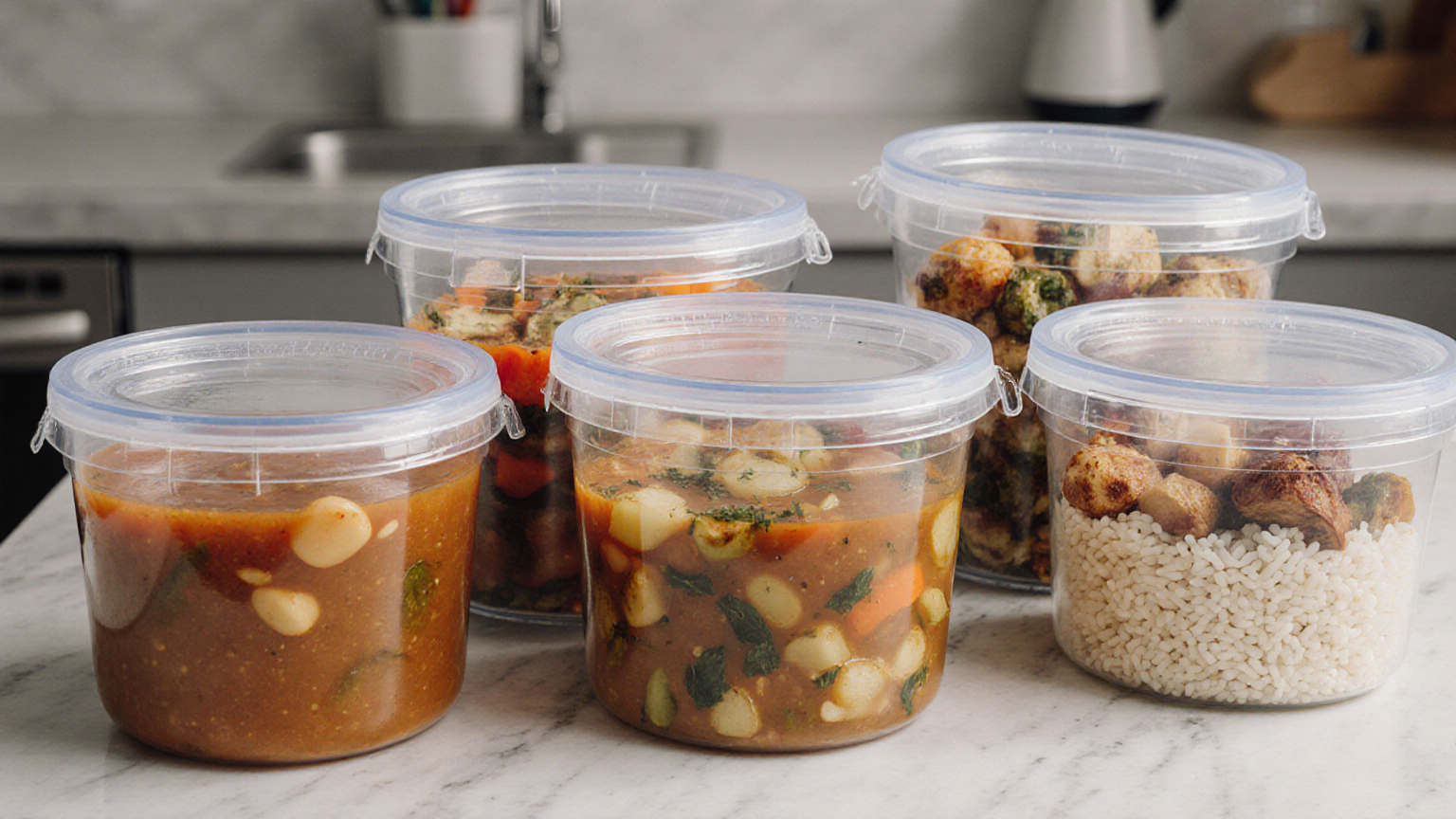
Safety fact check included
CookNest Daily articles surface source counts, timing assumptions, kitchen-test notes, and food-safety caveats. This label means editorial safety review, not a substitute for local food-code or medical guidance.
Freezer Inventory and Leftover Labeling Rotation Plan
Why freezer inventory is food safety, not just organization
A freezer full of unmarked containers creates two problems: wasted food and risky guessing. Freezing protects food while it remains frozen, but it does not turn poorly handled leftovers into a safe meal. As of 2026-06-30, USDA and FoodSafety.gov guidance still points home cooks toward prompt chilling, safe thawing, clean handling, and storage-time awareness. A simple inventory system helps you use leftovers while quality is high and avoid the mystery-container dinner that nobody trusts.
Freezer rotation table
| Container status | What to do tonight | Why it matters |
|---|---|---|
| Labeled and oldest | Put in the use-first zone | Reduces waste before quality drops |
| Labeled but unclear portion | Add portion count before freezing | Prevents thawing too much food |
| Unlabeled but identifiable today | Label immediately | Memory is not a food-safety system |
| Unknown or mishandled | Discard | Guessing is not safer than waste |
The label that prevents guessing
Every freezer container should answer four questions before it goes cold: what is it, when was it frozen, how many portions are inside, and how should it be reheated. You do not need an elaborate app. Painter’s tape, a freezer-safe marker, and a single front-of-freezer list are enough. If your household has allergies, add the allergen note in plain language. If a container looks similar to another sauce or soup, label it before the lid fogs and before memory fades.
Cool, portion, then freeze
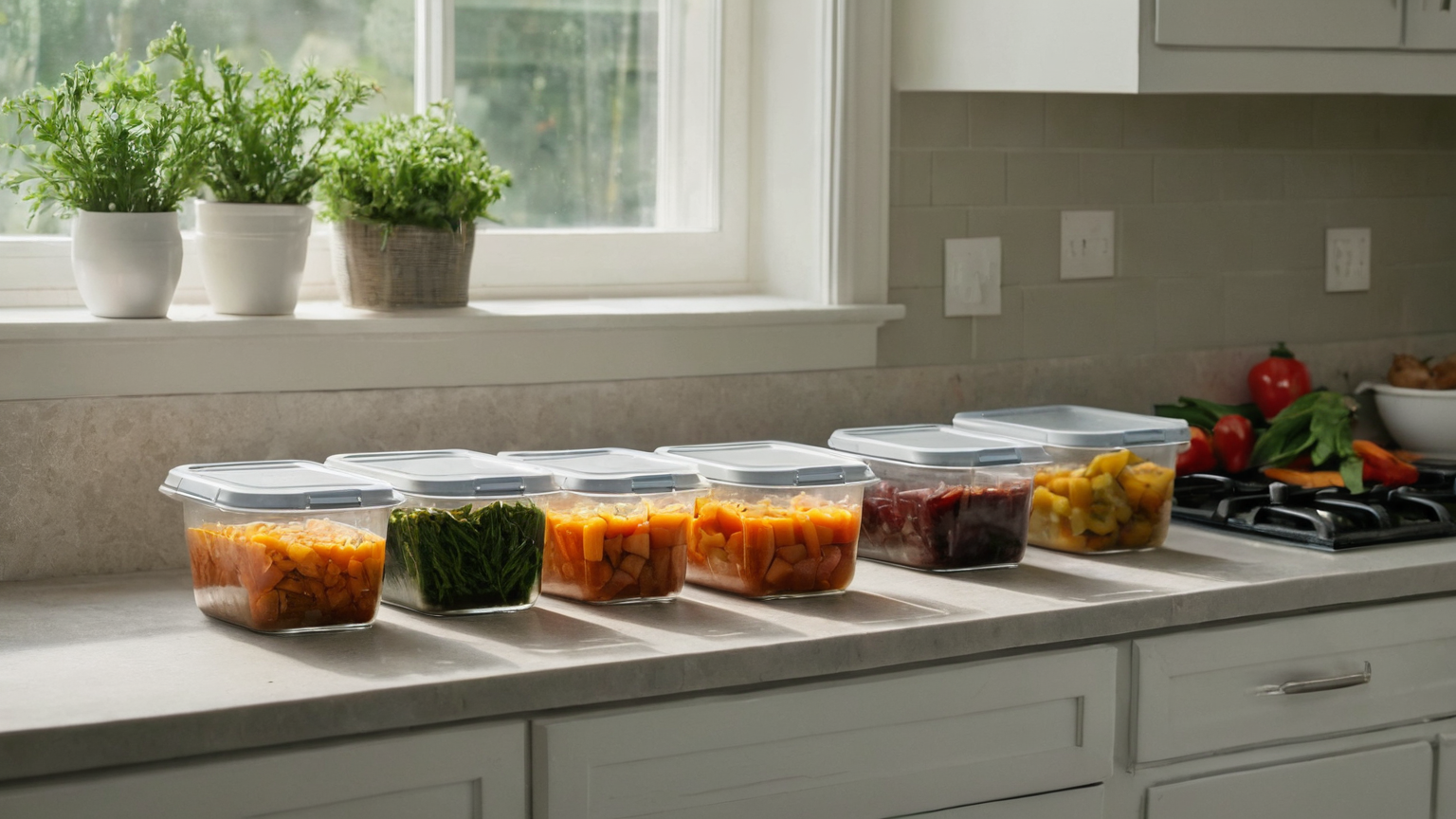
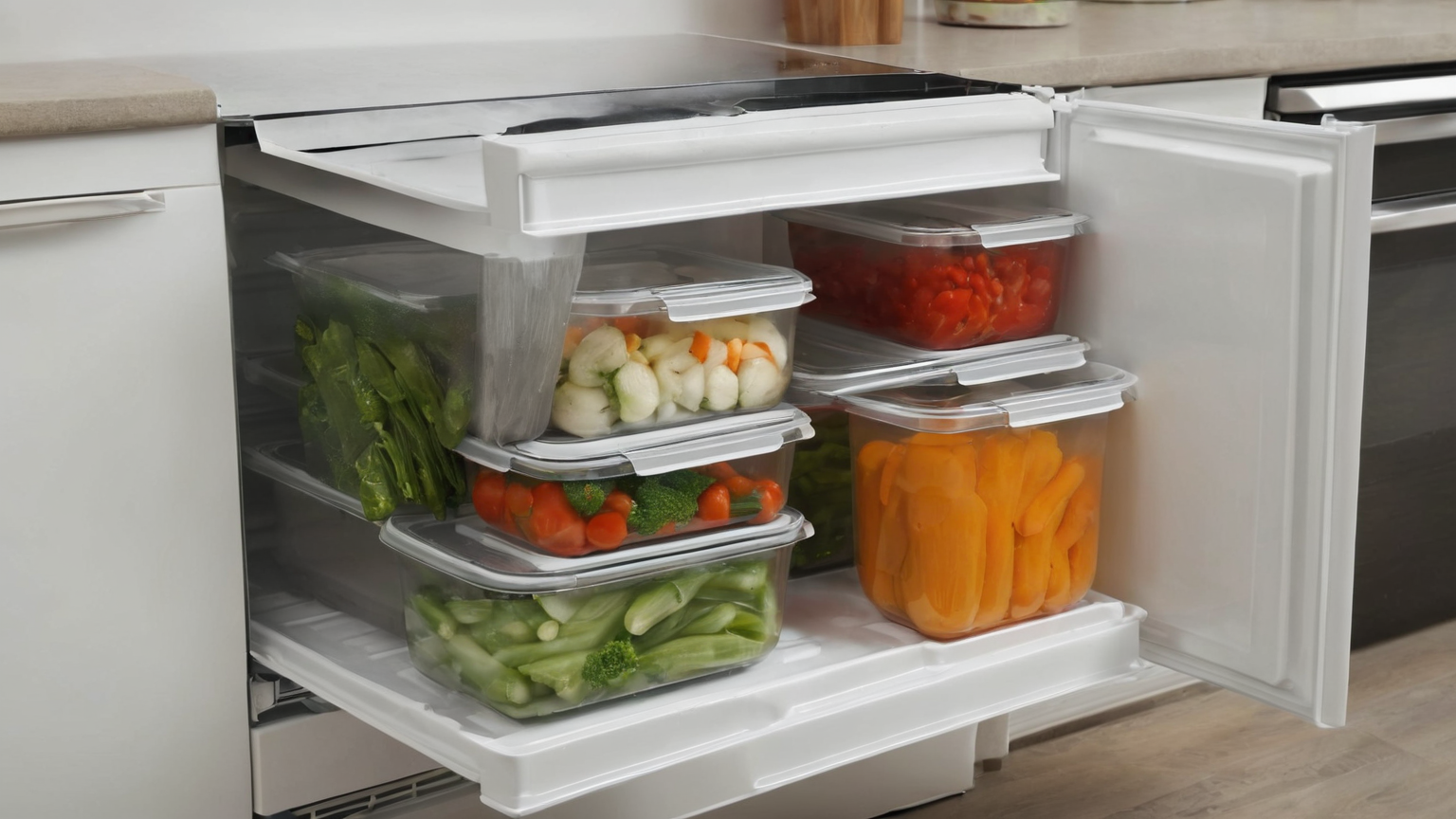
Do not put a huge hot pot directly into the freezer and hope the appliance solves everything. Portion leftovers into shallow containers so they cool more quickly, keep raw foods separate from ready-to-eat foods, and refrigerate promptly before freezing. The freezer step is part of a chain, not a rescue move at the end. If food sat out too long, smells strange, or was handled with dirty utensils, freezing it only preserves the doubt.
Rotation routine for weeknight cooking
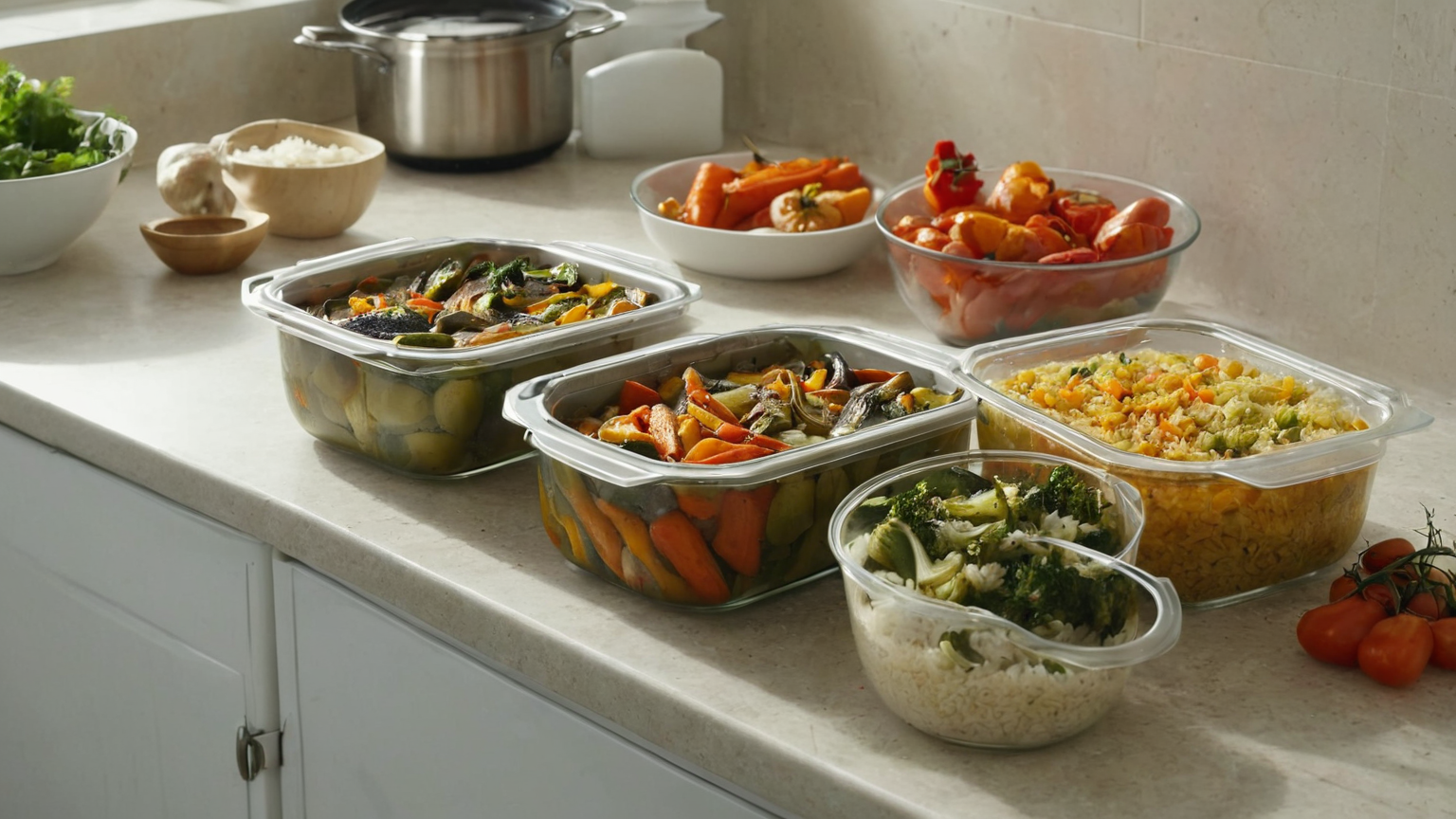
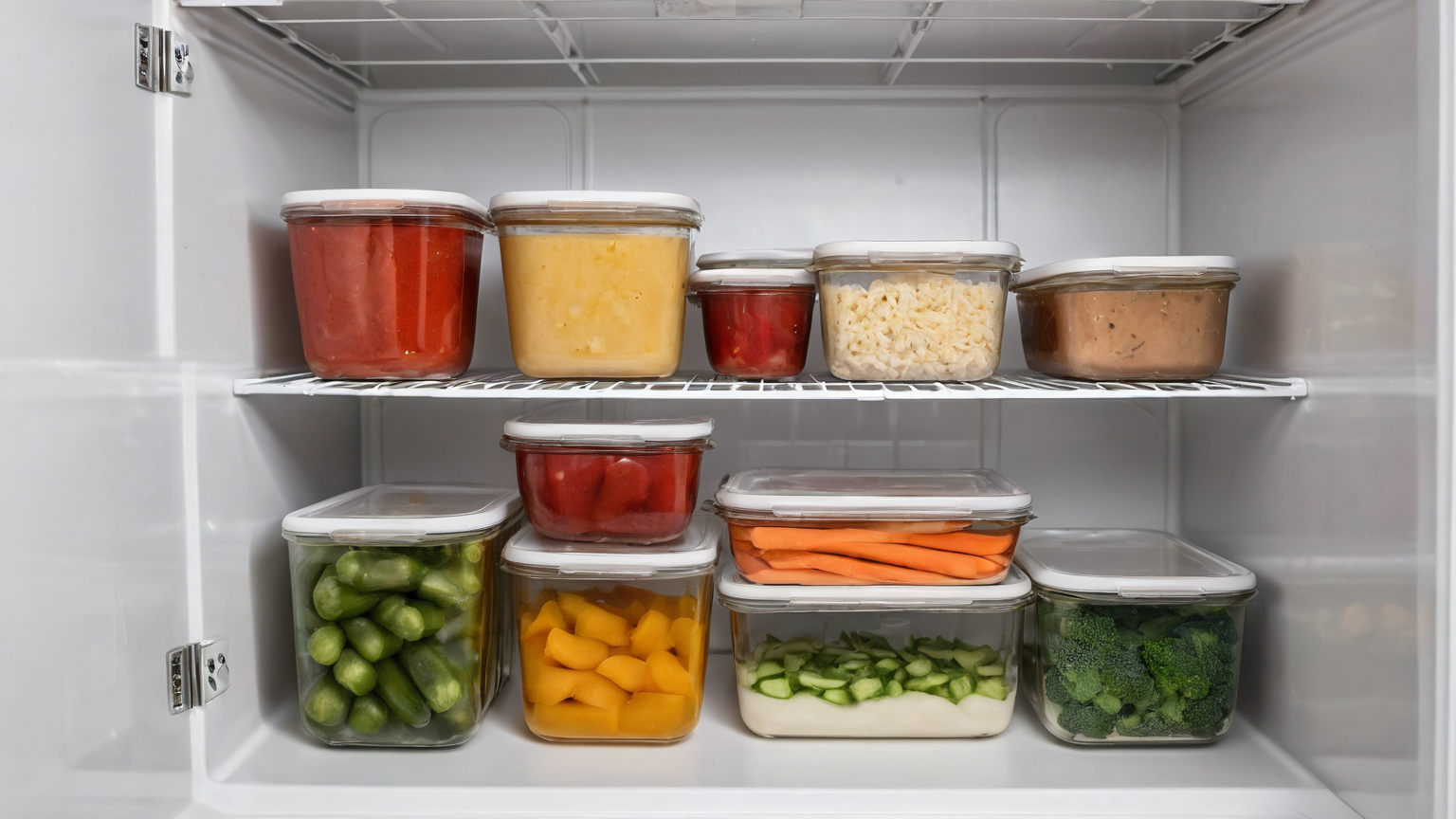
Create one small “use first” zone. Put the oldest safe meals in a front basket or top shelf. Once a week, choose two containers from that zone before planning new cooking. This turns leftovers into planned ingredients: chili becomes baked potato topping, cooked rice becomes fried rice after proper reheating, and soup becomes a quick lunch. The system works because it reduces choices, not because it requires perfect cataloging.
Thawing and reheating without shortcuts
The safest thawing choices are refrigerator thawing, cold-water thawing with attention, or microwave thawing followed by cooking. Countertop thawing is tempting but creates uneven temperatures. Reheat leftovers thoroughly and stir soups, sauces, and rice dishes so cold pockets do not remain. If you microwave, let food stand briefly and check the center. A freezer inventory plan fails if the final reheating step is careless.
When to discard
Discard containers with broken seals, unknown contents, freezer burn so severe nobody will eat it, signs of thaw-refreeze accidents, or no date when you cannot place it with confidence. Waste hurts, but serving a risky meal to avoid waste is not frugal. The better frugal habit is freezing smaller portions, labeling immediately, and using a weekly rotation ritual that makes safe food easy to choose.
Reader trust and scope note
This guide intentionally avoids miracle storage claims and affiliate-heavy container recommendations. Any clean, freezer-safe container that seals well and can be labeled clearly can work. The value is the process: safe cooling, clear labeling, first-in-first-out rotation, and conservative discard rules. That is more helpful than telling readers to buy a matching set and pretend organization alone equals food safety.
Quick checklist
- Confirm the main safety boundary before starting.
- Use the table to choose the next action instead of guessing.
- Keep one small log or note so the routine improves over time.
- Stop when the situation no longer matches the safe assumptions in this guide.
- Recheck authoritative guidance when rules, equipment, or household needs change.
FAQ
Does freezing make old leftovers safe forever?
Freezing keeps food safe while frozen, but it does not reset poor handling before freezing. Quality also declines, so rotation still matters.
What should be written on a leftover label?
Use the food name, freeze date, portion size, and any reheating note that prevents guessing later.
Can thawed leftovers be refrozen?
USDA guidance allows refreezing safely thawed food in some cases, but quality may decline and food thawed by microwave or cold water should be cooked promptly.
A 20-minute freezer reset
Start by moving the oldest labeled containers to the counter for inspection while they remain cold. Group similar foods: soups, cooked grains, sauces, vegetables, and ready meals. Throw away anything with unknown contents, broken packaging, or a history you cannot explain. Wipe sticky areas, then return foods by use priority rather than by container shape. The goal is not a perfect photo of the freezer; it is a freezer where the next safe dinner is obvious.
Next, make a paper or phone note with only three columns: food, freeze date, and planned use. Do not catalog every spice or gram. A household inventory fails when it becomes too tedious to update. Put the note where the cook will actually see it. When a container leaves the freezer, cross it off before it thaws. When a new container goes in, add it immediately.
Safer weeknight examples
Cooked rice can become fried rice, soup thickener, or a bowl base, but it needs careful cooling and thorough reheating. A tomato sauce can become pasta, shakshuka base, or braising liquid, but only if the label makes allergies and meat content clear. Cooked chicken should not be confused with cooked vegetables, especially in households with different diets. Portioning prevents the common mistake of thawing a large block, using half, and then wondering whether the rest is still safe.
What not to optimize
Do not buy containers so large that food cools slowly. Do not stack unlabeled bags so tightly that nobody can inspect them. Do not rely on smell alone to judge safety. Do not keep a container because it would feel wasteful to discard it. A freezer system should reduce decisions under time pressure. If dinner is already stressful, the label should provide the facts you need without a debate.
Practical example workflow
Here is how a reader can apply the guide without buying anything or trusting a vague rule of thumb. First, identify the exact situation in front of you and write down the constraint that matters most. Second, choose the smallest safe action from the table instead of trying to solve every related problem at once. Third, check the result later the same day and again the next day. If the action created a new problem, reverse it and choose the lower-risk option. If the action helped, repeat it until it becomes normal kitchen behavior rather than a one-time project.
The reason this workflow is included is quality control. Many short web articles give a conclusion but skip the decision process. A good evergreen guide should make the reader less dependent on the article after reading it. The table, checklist, and stop rules are designed for that: they turn the topic into a repeatable routine with boundaries.
Mistakes to avoid
The first mistake is treating a single tip as universal. Conditions change by food history, storage temperature, container size, thawing method, allergies, and household appetite. The second mistake is waiting until the problem is already urgent. Most of the safer choices in this guide work best when done early. The third mistake is ignoring the boring record. A short note about what you tried, when you tried it, and what happened often prevents repeated guessing.
The fourth mistake is over-optimizing gear. Better equipment can help, but equipment does not replace judgment, maintenance, safe handling, or follow-through. Before spending money, make sure the no-cost routine is clear. If the no-cost routine fails because of a safety concern, damaged equipment, medical symptoms, or home conditions outside your control, that is the point to get qualified help rather than forcing the routine.
Final reader takeaway
Use the guide as a decision aid: prepare early, act smoothly, watch the result, and keep conservative boundaries. The best outcome is not dramatic. It is a routine that quietly reduces risk, saves time, or improves comfort without creating a new hazard. If you share the routine with someone else in the household, share the stop rules too, because a checklist without limits can encourage exactly the kind of overconfidence this guide is trying to prevent.