Cooling Large Batches of Soup Safely: Shallow Pans, Ice Baths, and Refrigerator Timing
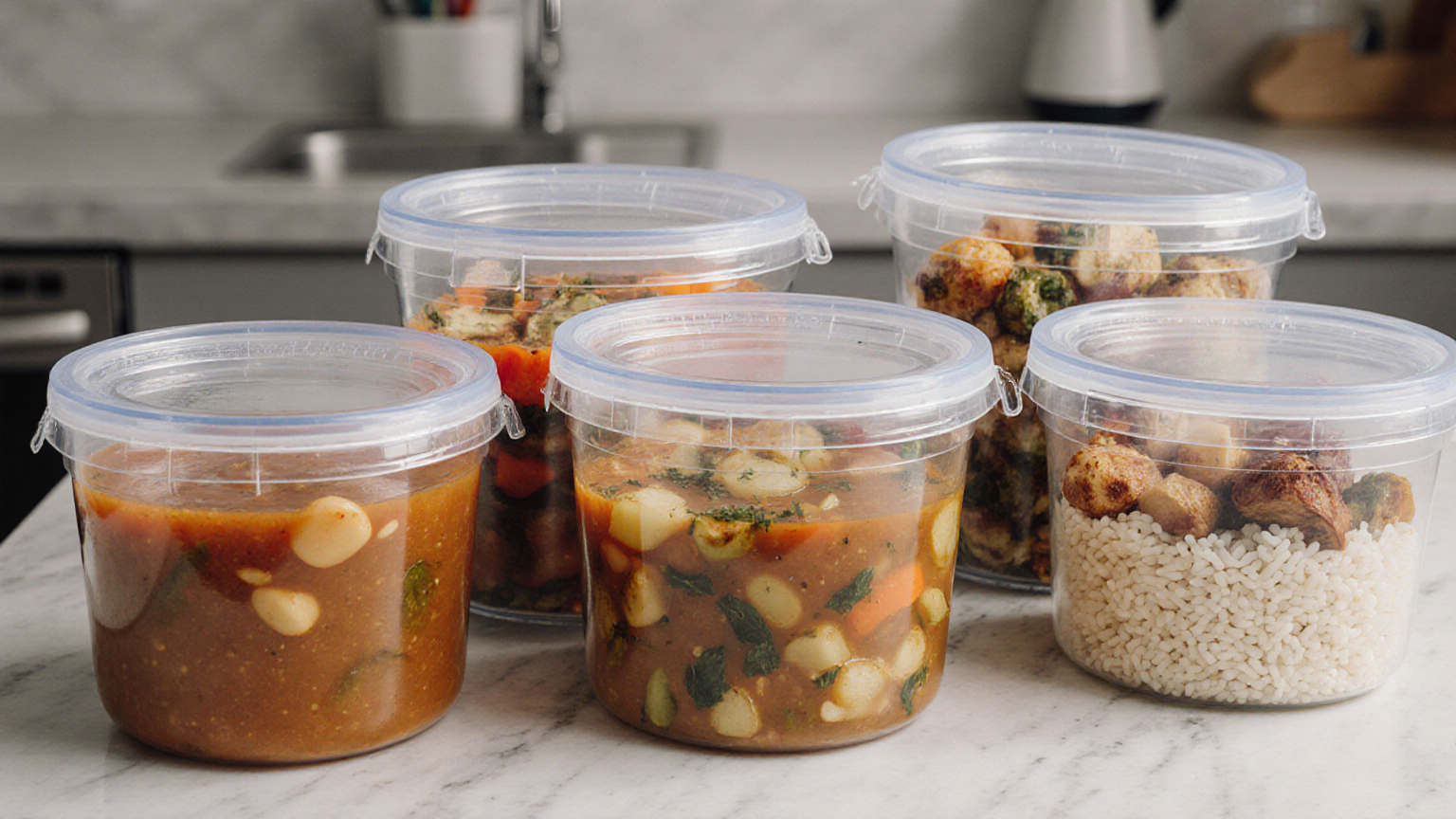
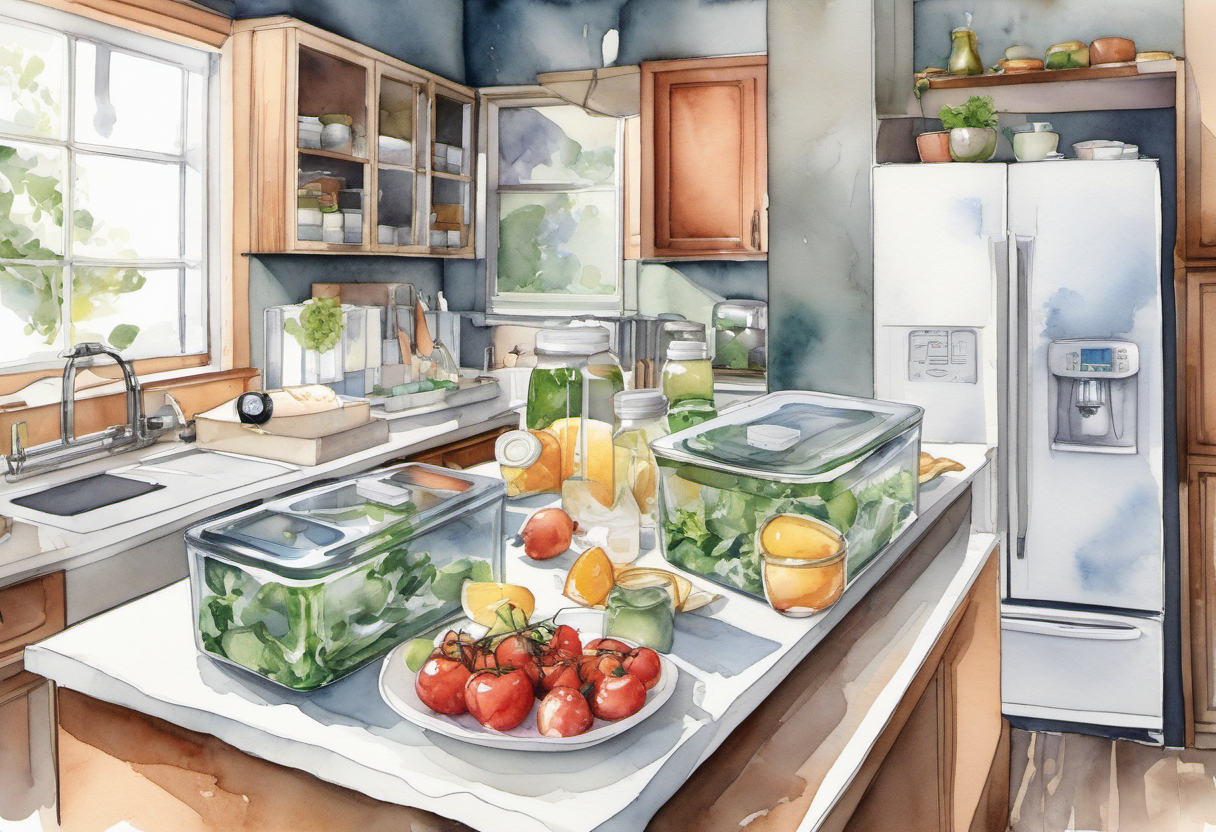
A conservative home-kitchen plan for dividing, chilling, measuring, and storing a large pot of soup without leaving a warm center for hours.
Recipe & Safety Library
30 guides · expert vetted cards
Filter CookNest Daily by category and sort by freshness. Every card keeps the expert-vetted mark visible for cooking, cookware, and food-safety guidance.

A conservative home-kitchen plan for dividing, chilling, measuring, and storing a large pot of soup without leaving a warm center for hours.

A conservative guide to making small batches of garlic in oil for refrigerated or frozen use without treating homemade oil as shelf-stable.

A practical takeout safety system for adding delivery, table, travel, cooling, storage, and reheating time without pretending the clock resets.

A conservative guide to thawing frozen vacuum-packed fish, following package directions, controlling time and temperature, and recognizing botulism warning signs.

A practical microwave reheating workflow for portion shape, covering, stirring, standing time, temperature checks, and safer leftovers.

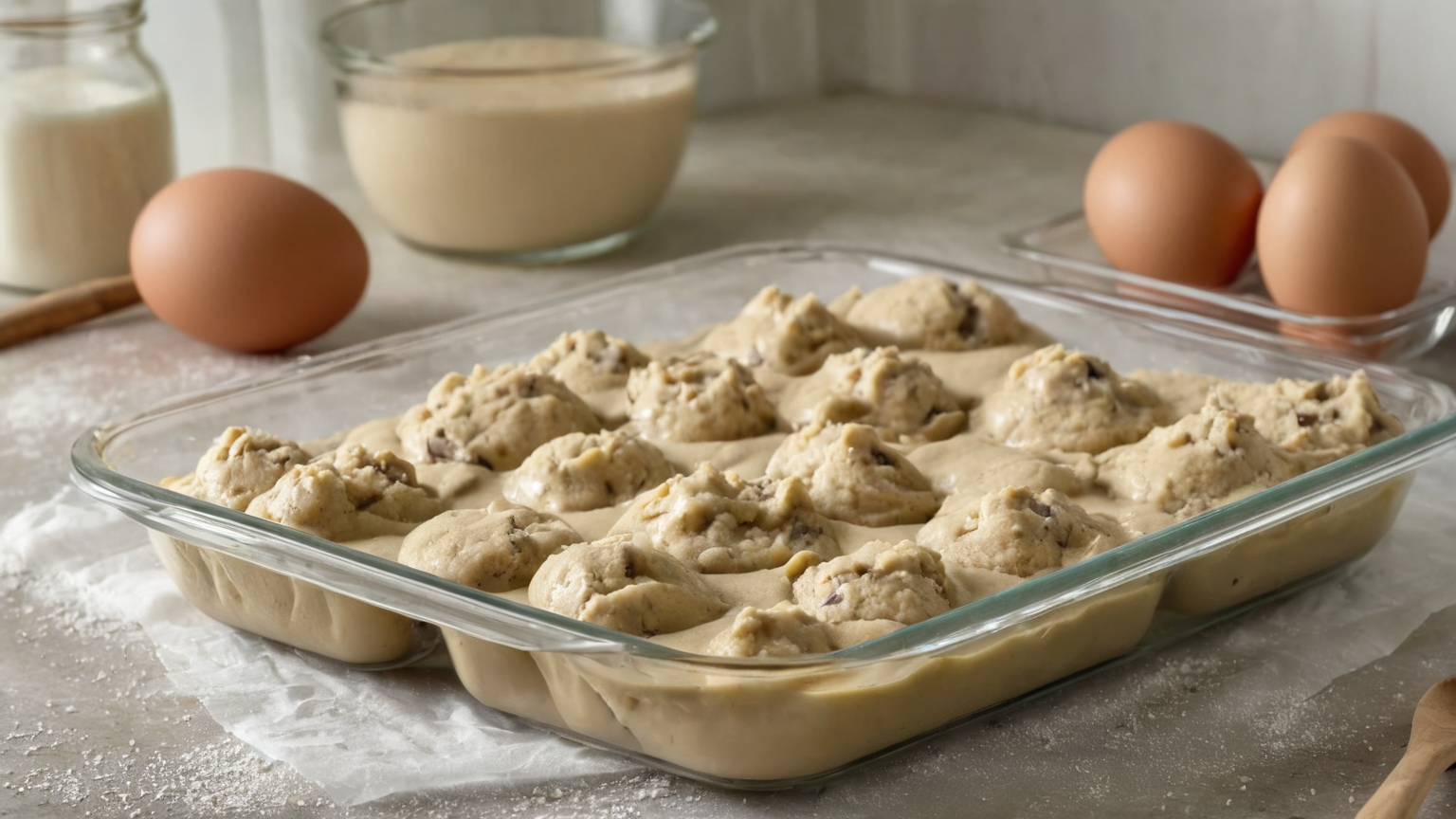
A practical raw cookie dough safety plan that separates flour, egg, and ready-to-eat ingredient hazards, with safer alternatives and a cleanup workflow.

A food-safety-first freezer system for labeling leftovers, rotating containers, avoiding mystery meals, and planning safer weeknight cooking during 2026.

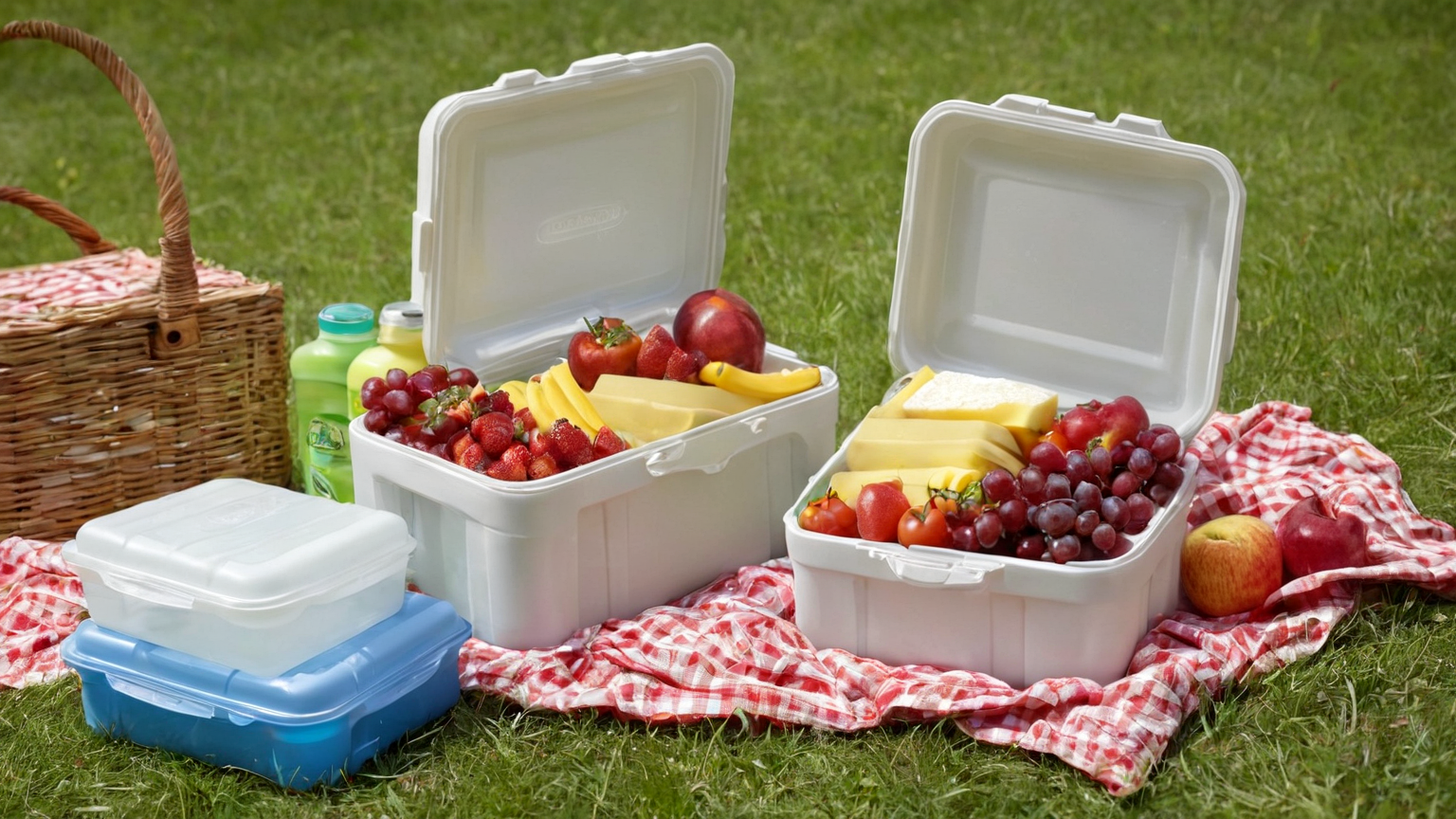
A summer food-safety routine for packing coolers, separating raw and ready-to-eat foods, serving outdoors, and deciding what leftovers can come home.

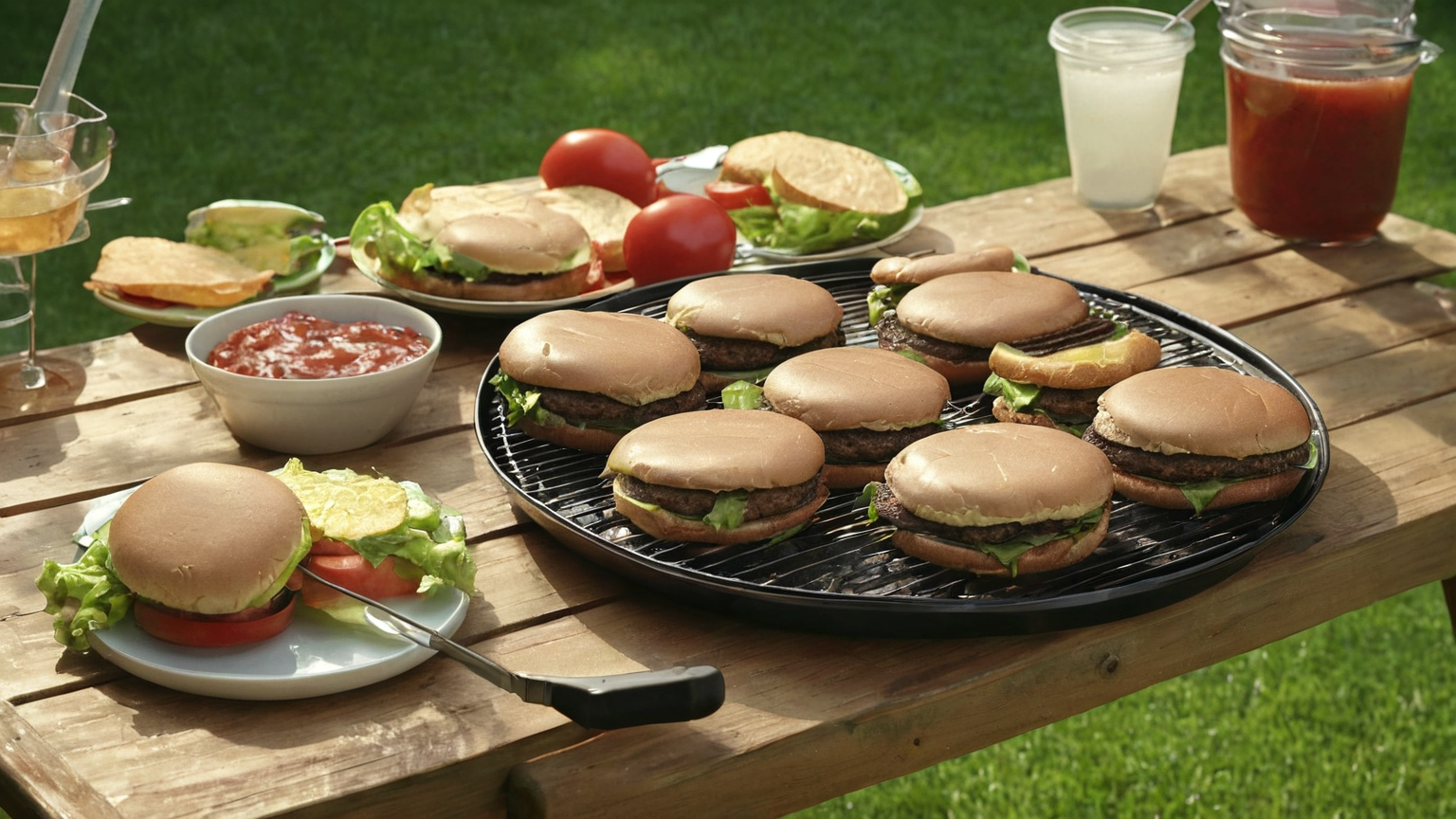
A summer food-safety routine for grilling burgers, cooling leftovers, reheating safely, and avoiding cross-contamination at cookouts.

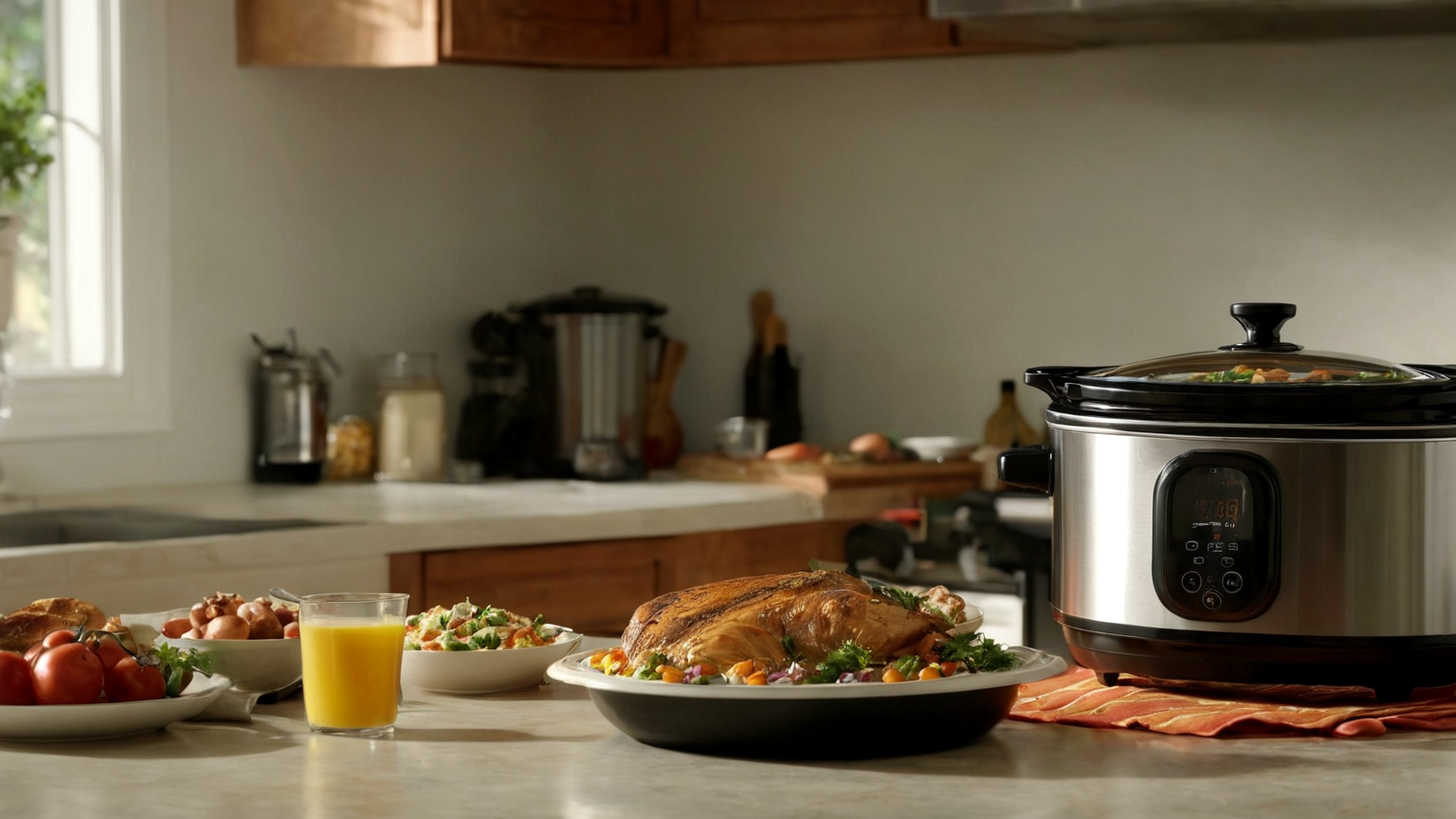
A practical food-safety plan for cooking, transporting, holding, serving, cooling, and reheating slow-cooker potluck foods.

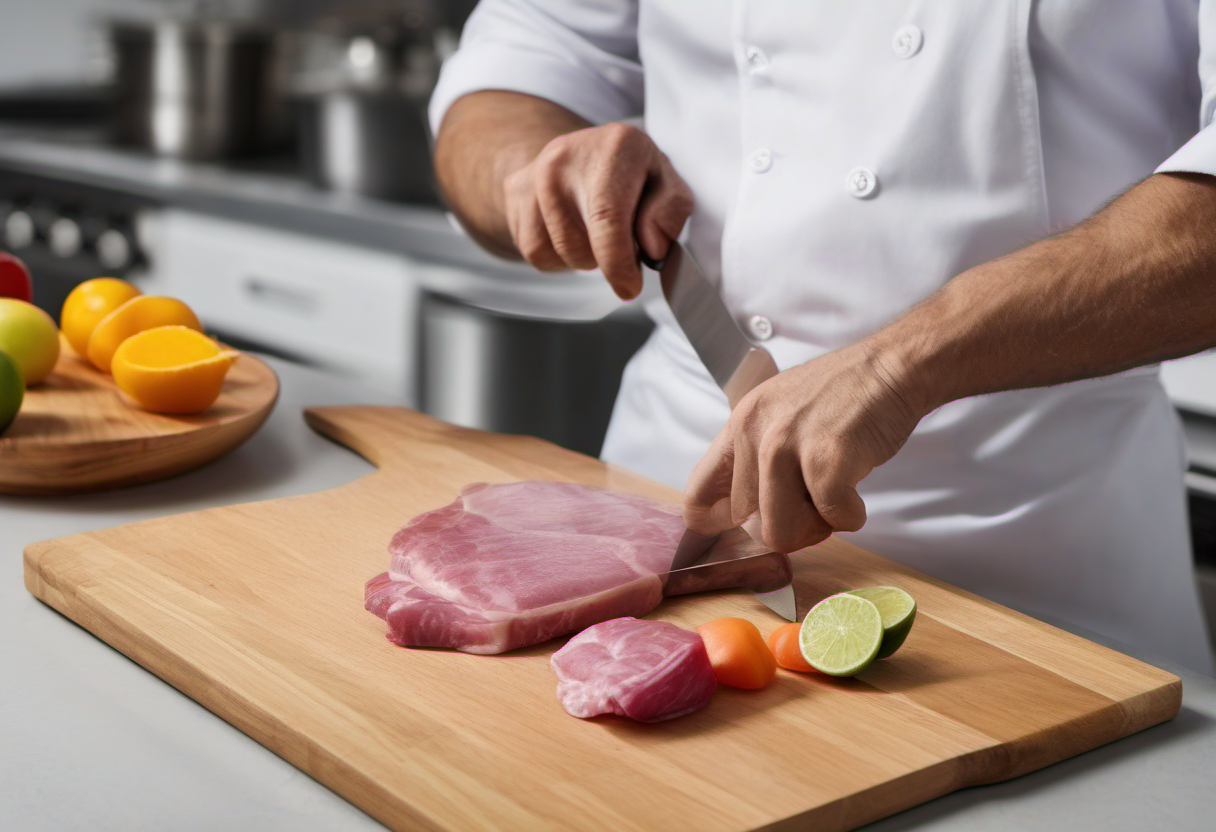
A food-safety routine for cleaning and sanitizing cutting boards after raw meat or poultry without spreading germs to produce, sinks, towels, or ready-to-eat food.

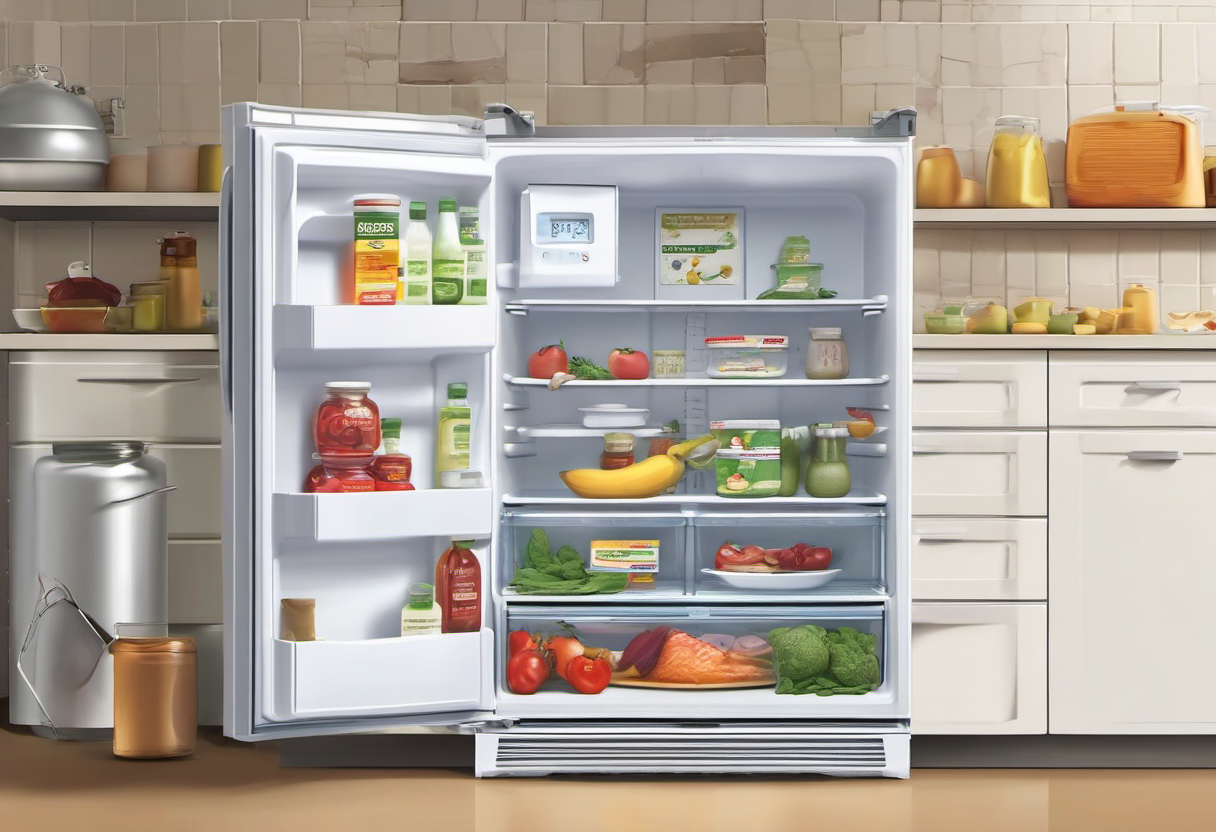
USDA, FDA, CDC, and extension guidance for using fridge thermometers, cooling leftovers, and preventing cold-storage food safety failures.

USDA, FDA Food Code, CDC, and extension guidance for separating, cleaning, sanitizing, and replacing cutting boards at home.

USDA, FDA Food Code, and CDC-based guidance for cooling rice, soups, meats, and casseroles quickly without drying them out.

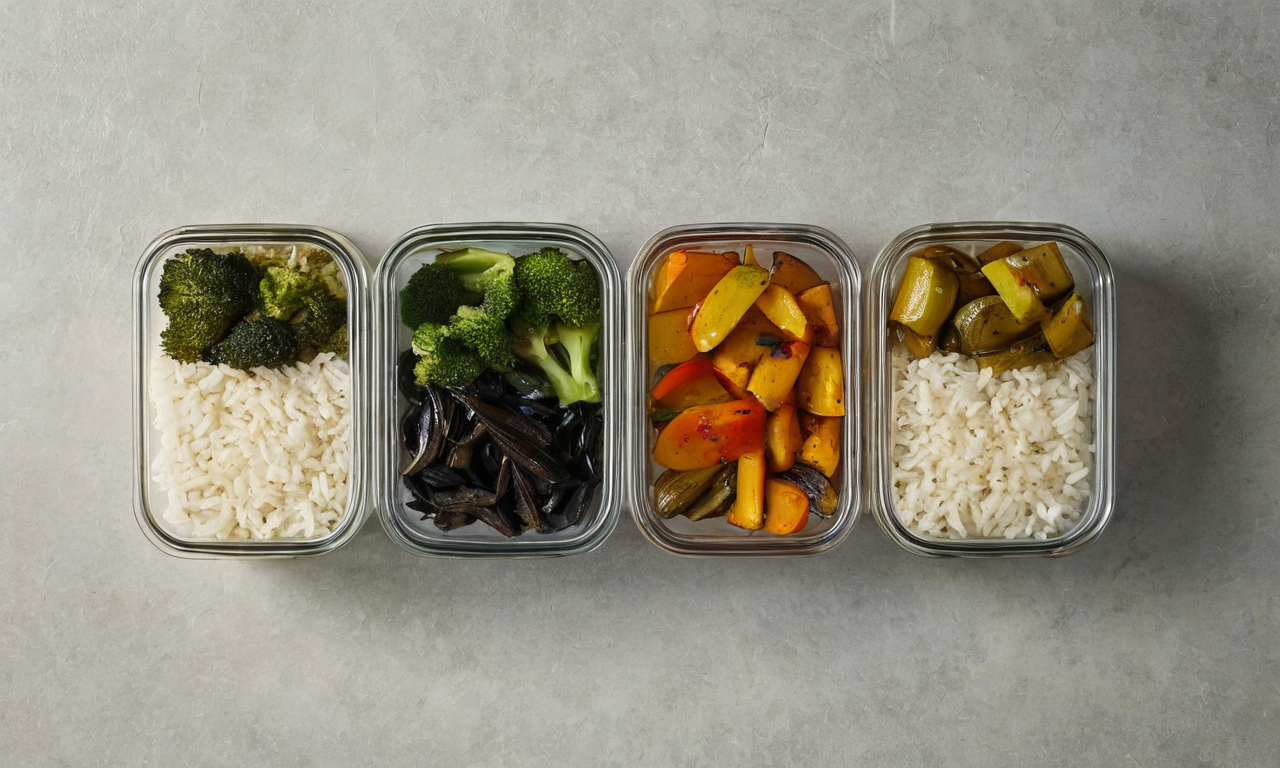
A practical meal prep food safety guide covering thermometer use, two-stage cooling, fridge storage, reheating, leftovers, and high-risk foods.

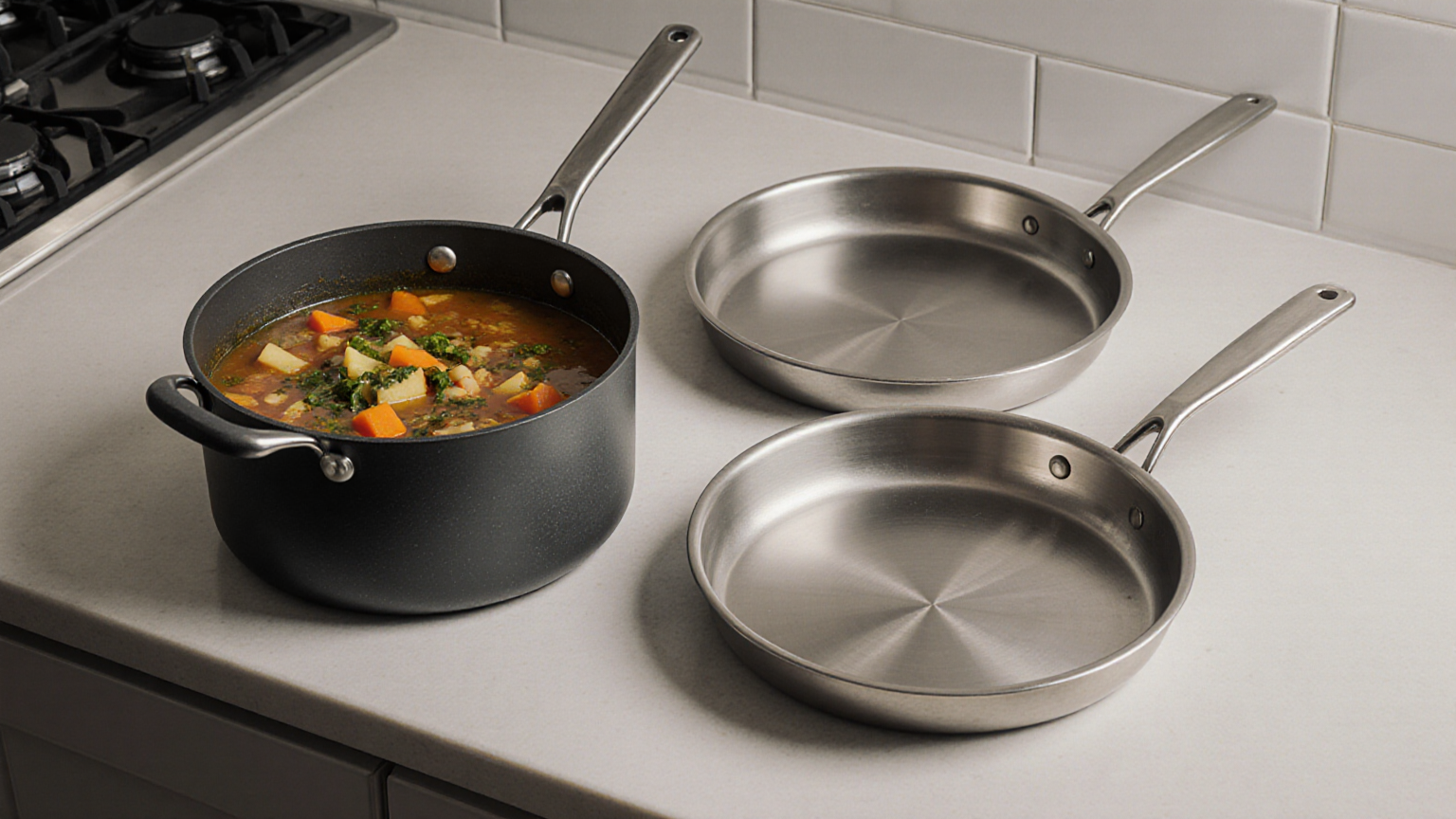
How to choose induction-ready cookware by magnet response, base geometry, heat behavior, coating risk, and the few pieces worth buying first.

Collagen converts to gelatin at 160-180 degrees Fahrenheit. The 4-hour low-and-slow braise melts connective tissue into silky tenderness. Here is the technique that works.

Sugars caramelize between 230 and 360 degrees Fahrenheit. The Maillard reaction starts at 285. Here is the full temperature map of browning chemistry for home cooks.

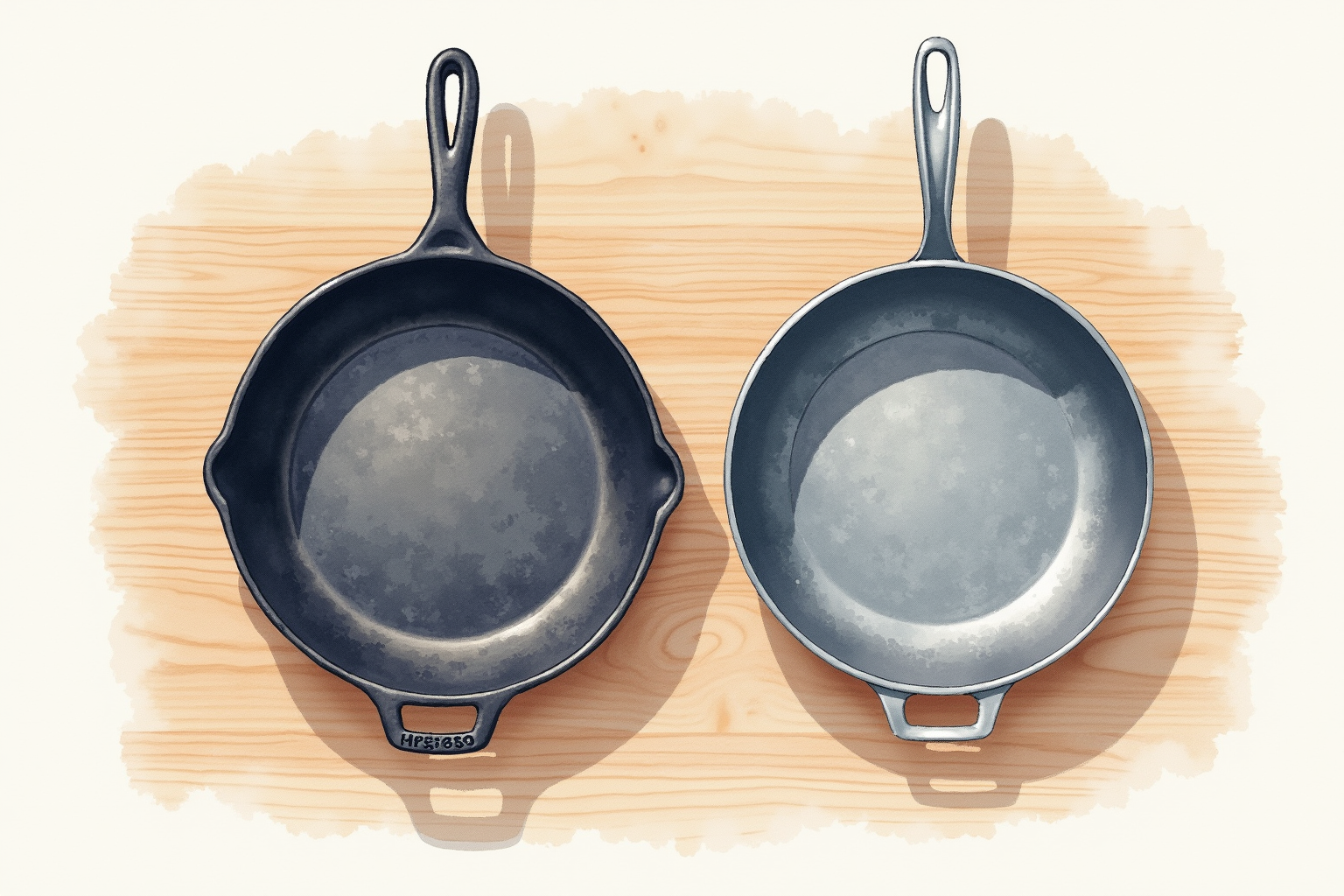
Thermal mass, weight, seasoning chemistry, and searing performance compared between cast iron and carbon steel — the differences that actually affect daily cooking results.

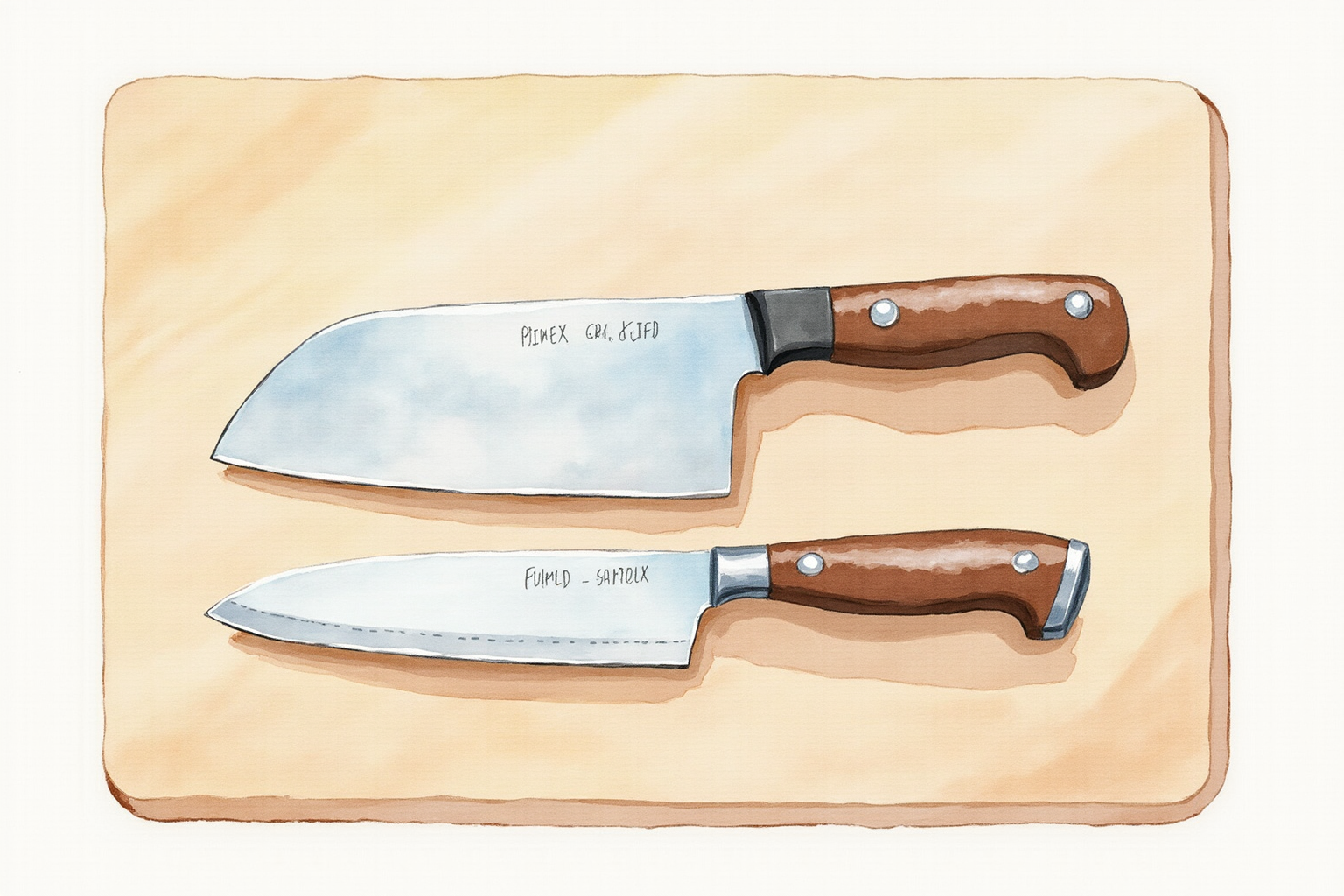
Curved-belly chef knife vs flat-edge santoku, compared on rocking-cut motion, blade geometry, edge angles, and which one fits the average home kitchen — with the maintenance habits that matter.

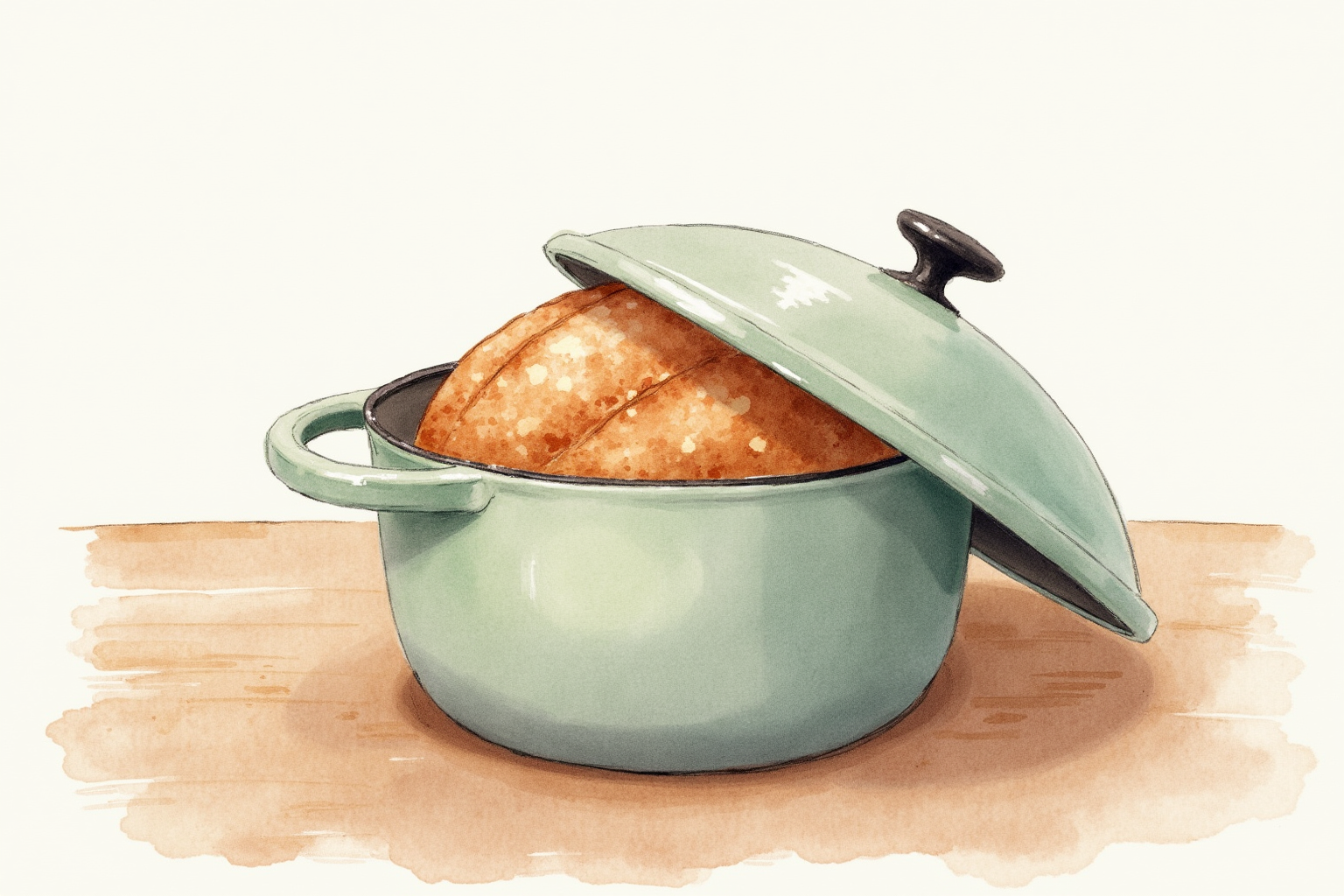
Lahey-style no-knead bread baked in a Dutch oven, with hydration ratios, timing windows, and the crust mechanics that produce a bakery-quality loaf at home.

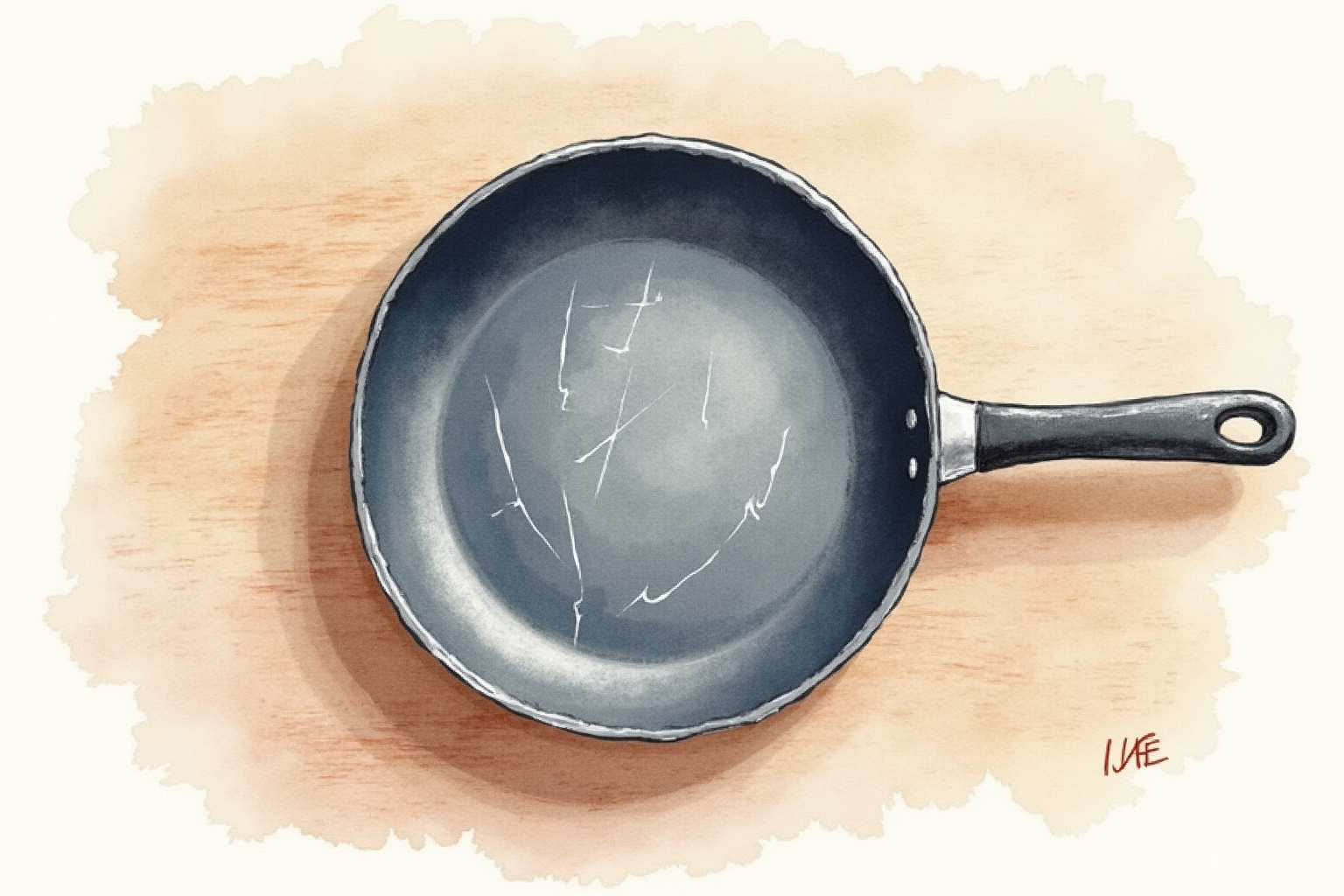
PTFE and ceramic nonstick pan lifespan, replacement signals, and the safety questions that actually matter — based on current FDA and EPA research, not internet panic.

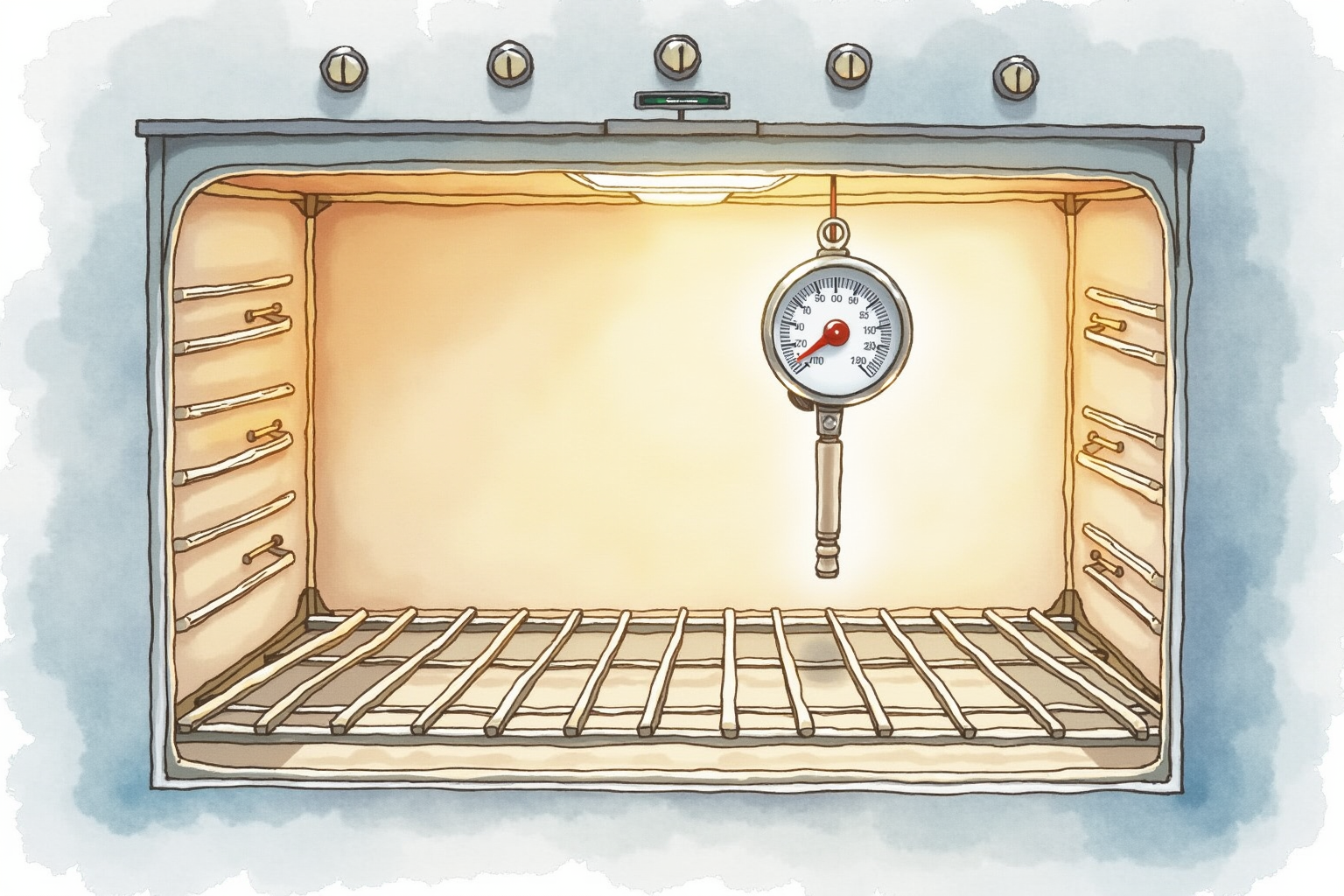
Most home ovens drift 25-50 degrees from the set temperature. A cheap oven thermometer catches the lie and fixes the baking results that depend on knowing actual temperature.

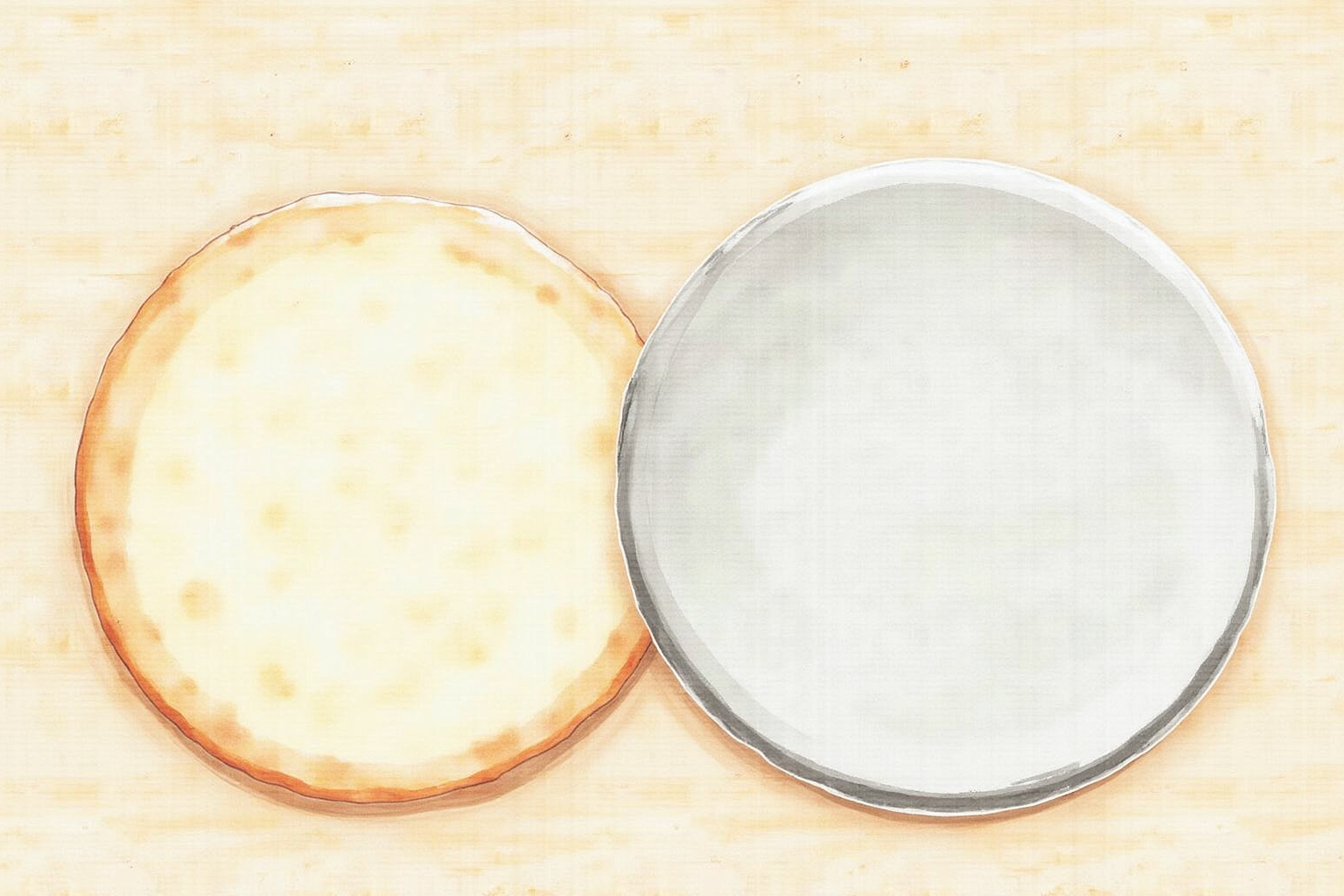
Pizza stone and steel compared on heat retention, crust browning, and the temperatures that actually replicate a wood-fired oven at home.